Acupuncture & Functional Care for PCOS in Austin
A root-cause plan for cycles, blood sugar and hormones, built around your labs.
- Texas-licensed DACM, LAc
- Labs reviewed alongside your doctor

Living with PCOS?
Cycles that are irregular or missing
Weight that won’t shift despite effort
Blood sugar and insulin concerns
Trying to conceive with PCOS
PCOS concerns we support
- Irregular or absent periods
- Unpredictable ovulation
- Insulin resistance
- Acne and skin changes
- Unwanted hair growth
- Weight changes
- Fatigue and sugar cravings
- Mood and anxiety
- Trying to conceive with PCOS
A functional approach to PCOS
PCOS is one of the most common hormone conditions in women, and it can look very different from one person to the next. Some women have long or missing cycles. Others struggle with acne, hair changes, weight or blood sugar. Many are told to take the pill or lose weight and come back later. If you want to understand what is driving your symptoms, a functional approach can help fill in the picture, alongside the care your doctor provides. Some women only find out they have PCOS when they start trying to conceive.
We begin with testing when it helps. Depending on your history, that may include hormones such as estrogen, progesterone, testosterone, DHEA and cortisol, a full thyroid panel, and cardiometabolic markers like glucose, insulin and HbA1c. These results help us see whether insulin, stress, thyroid or inflammation plays a bigger role for you. You can read more on our functional lab testing page. If you’ve already had bloodwork with your doctor, bring it, so we only add what is missing.
From there, your plan is built around what we find. Acupuncture may help calm the stress response and support a more regular cycle, and research suggests it may play a role in ovulation for some women with PCOS. Nutrition guidance focuses on steady blood sugar, with practical meals rather than a strict diet. Herbal medicine and professional-grade supplements may be added when they fit, and we check each one against any medication you take, such as metformin. Supplements are never a substitute for medical care, and we explain why each one is in your plan.
Stress and sleep matter more with PCOS than many people realize. Cortisol and poor sleep can both make blood sugar harder to manage, which can feed into cycle changes, cravings and weight gain around the middle. That is why your plan may include acupuncture sessions focused on calming the nervous system, simple routines for winding down, and movement that supports insulin sensitivity without leaving you exhausted. We also look at digestion, since bloating and irregular bowels often come along with hormone imbalance, and a comprehensive stool test can help when gut symptoms are strong.
- Labs that look at insulin, hormones and thyroid together
- Food guidance for steady blood sugar, not crash dieting
- Acupuncture to support the stress response and cycle rhythm
- Care that continues if you start trying to conceive
PCOS is a long-term condition, so we focus on steady changes you can keep. Many patients notice more predictable cycles, better energy or fewer cravings over a few months, though results vary. If you are trying to conceive, we can shift your plan toward natural fertility support and coordinate with your OB or fertility specialist. We never ask you to stop a medication, and we’ll talk through whether this approach is right for you.
Related care
How we support PCOS
1
Test, don’t guessHormone, insulin and thyroid labs when useful.
2
Treat gentlyAcupuncture, herbs and food guidance.
3
Track your progressCycles, symptoms and labs rechecked over time.
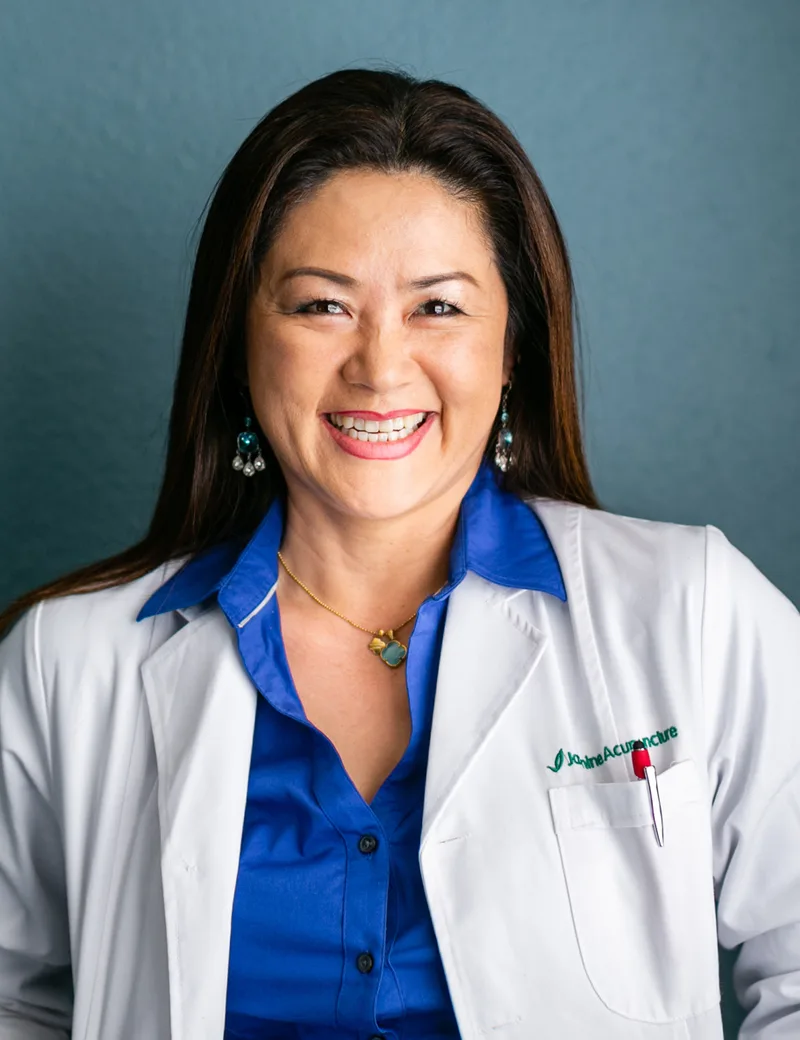
They are very knowledgable and compassionate. I always leave feeling better than I walked in.
Amanda D., Google
Insurance we accept: Aetna · UnitedHealthcare · Cigna · BCBS · Humana. Free insurance check
Common questions
Can acupuncture help PCOS?
Research suggests acupuncture may help some women with PCOS by supporting the stress response, cycle regularity and ovulation, though results vary. We see it as one part of a plan that also looks at blood sugar, nutrition and hormones. It works alongside your doctor’s care, not in place of it.
Do I need lab testing?
Not always, but it often helps. PCOS has different drivers in different women, and labs such as insulin, HbA1c, hormones and a full thyroid panel can show which ones matter most for you. If you’ve had recent bloodwork, bring it, and we’ll avoid repeating tests you don’t need.
Can I keep taking metformin or birth control?
Yes. We never ask patients to stop a medication. Any change to a prescription is between you and the doctor who prescribed it. We review everything you take so that herbs and supplements in your plan fit safely alongside it, and we’re happy to share notes with your doctor.
How long before I notice changes?
Hormone cycles take time to shift, so we usually plan around three months before a full review. Some patients notice better energy, sleep or fewer cravings sooner. We track your cycles, symptoms and, when useful, repeat labs, so you can see clearly whether the plan is working.
Ready to understand your PCOS?
Start with a free 15-minute consult with Dr. Jasmine.