Sports Injury Acupuncture in Austin
Recover from strains and overuse injuries and get back to training with confidence.
- Texas-licensed DACM, LAc
- Most major insurance plans
Sidelined by an injury that lingers?
A knee that aches after every run
A strain that keeps coming back
Weeks of rest with little change
Losing fitness while you wait
Sports injuries we treat
- Muscle strains & pulls
- Runner’s knee & patellar tendon pain
- Tennis & golfer’s elbow
- Plantar fasciitis & heel pain
- Achilles tendon pain
- Shin splints
- IT band & hamstring tightness
- Shoulder tendon pain
- Old sprains that never felt right
Sports acupuncture and recovery care in Austin
Austin is an active city, from trail runs and rowing on Lady Bird Lake to pickleball, cycling and the gym. When an injury lingers, it gets frustrating fast. Rest helps for a while, then the first hard workout brings the pain right back. Many of the athletes we see are not elite competitors, just people who want to keep doing what they love without it hurting. Others are mid-season, training for a race or simply tired of watching from the sidelines. Whatever the sport, the goal is the same: get you moving well again, and stay that way.
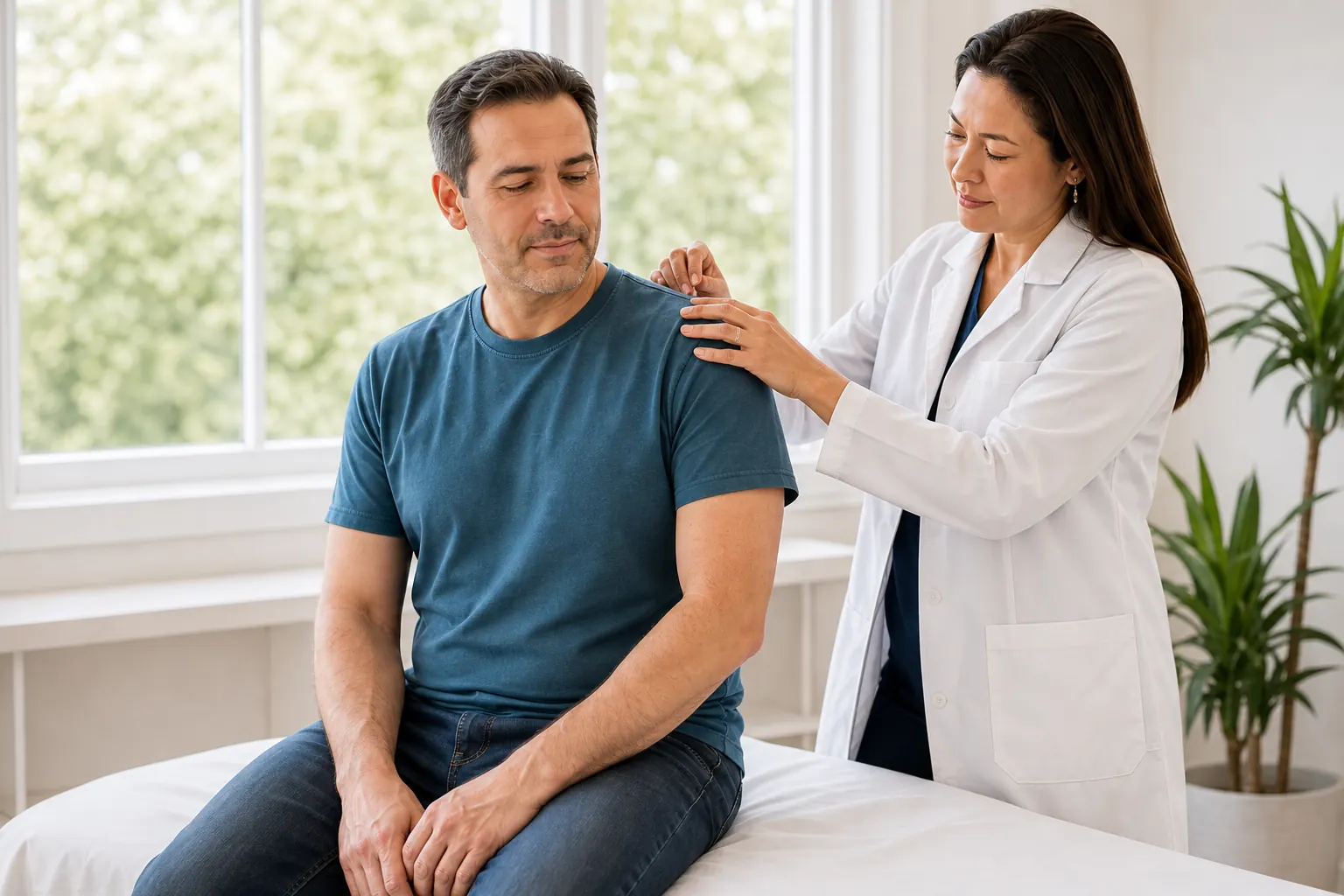
Acupuncture may help sports injuries by improving circulation to the injured tissue, easing muscle guarding and calming pain signals so you can move more normally. Fine needles placed around a strained muscle or tendon can release tight bands that pull on the joint. Many athletes also use acupuncture between hard training blocks to help their bodies recover. It is drug-free, so there is nothing to clear from your system before your next event, and sessions are calm enough that many people nap on the table.
Your first visit includes a conversation about the injury, your training load and your goals, plus a look at how you move. A runner’s knee pain, for example, may trace back to tight hips or the way the foot lands. We treat the sore spot and the pattern behind it. An acupuncture visit runs 45 to 60 minutes, while shockwave-only sessions are shorter, about 30 minutes.
Sports injuries are where our team approach shines. Shockwave therapy with Warren Lin uses sound waves to support tissue repair in stubborn tendon problems like plantar fasciitis, tennis elbow and Achilles pain. Dr. JB Lee pairs Active Release Technique with one-on-one corrective exercise, so the movement habit behind the strain gets addressed too. Cupping and massage add another layer of support for sore, overworked muscles.
- A look at how the injury happened and how you move
- Acupuncture and cupping for tight, sore tissue
- Shockwave therapy for stubborn tendon pain
- A return-to-training plan you can follow
Recovery also happens outside the clinic. We may suggest how to adjust your mileage or lifting while the tissue settles, a few mobility drills from Dr. JB and when to add load back in. If you take anti-inflammatory pills, ask us about timing around shockwave sessions, since they may affect how the tissue responds. The aim is a smart, steady return, not rushing back and starting over. Recovery depends on the injury. A fresh strain may settle in a few visits, while a long-standing tendon problem often needs weekly sessions over several weeks. We set goals around your sport, like running a certain distance pain-free or swinging a racquet without a twinge. If an injury needs imaging or a sports medicine doctor, we’ll tell you.
Related care
How we treat sports injuries
1
Find the causeHow it happened and the movement behind it.
2
Treat gentlyNeedles, shockwave and hands-on release.
3
Track your progressGoals tied to your sport and training.
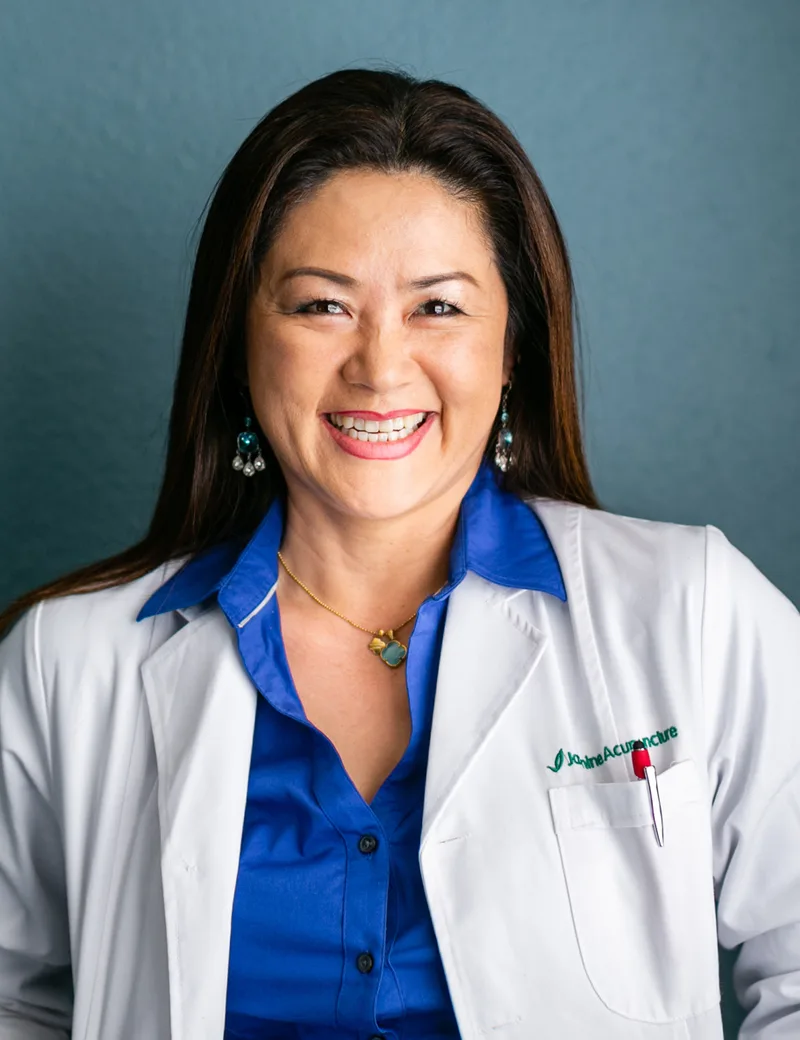
Great experience! I achieved immediate pain relief for two different issues recently and would recommend Dr. Jasmine & her staff to others.
Anne P., Google
Insurance we accept: Aetna · UnitedHealthcare · Cigna · BCBS · Humana. Free insurance check
Common questions
Can I keep training during treatment?
Often, yes, with changes. We’ll talk through which activities are fine and which to pause while the tissue settles. After shockwave therapy, for example, we usually suggest avoiding hard use of the treated area for a day or two. The goal is to keep you moving without setting your recovery back.
What is shockwave therapy, and does it hurt?
Shockwave therapy uses a handheld device to send sound waves into an injured tendon or muscle to support the body’s repair process. It is non-invasive and needs no medication. Most people feel a strong tapping that can be uncomfortable on sore spots, and mild soreness afterward usually fades within a day or two.
How soon after an injury should I come in?
You can come in for a fresh strain once any serious injury has been ruled out, or for an old problem that never fully healed. Earlier care may help you get moving sooner. If you have significant swelling, can’t bear weight or suspect a fracture, see a doctor first.
Is it covered by insurance?
We are an in-network provider with many plans, including Aetna, UnitedHealthcare, Cigna, BlueCross BlueShield and Humana, but not every plan includes acupuncture. We’ll run a free insurance check before your visit, and HSA and FSA cards are welcome. Shockwave sessions may be covered differently, so ask us to check those too.
Ready to get back in the game?
Start with a free 15-minute consult with Dr. Jasmine.